
Benchtop Centrifuges
For Efficient Laboratory Workflows
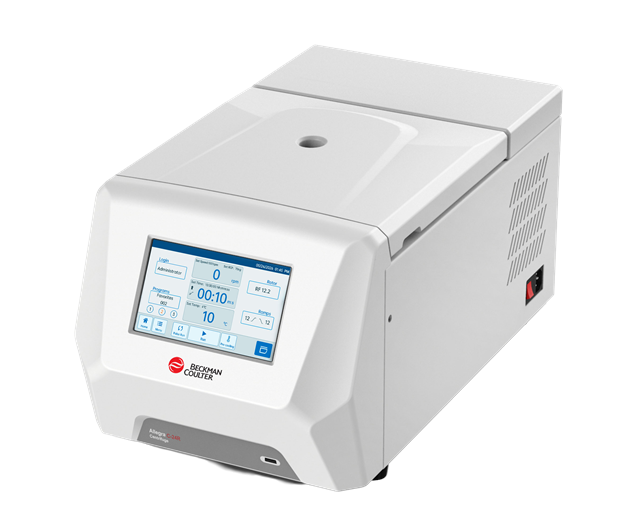
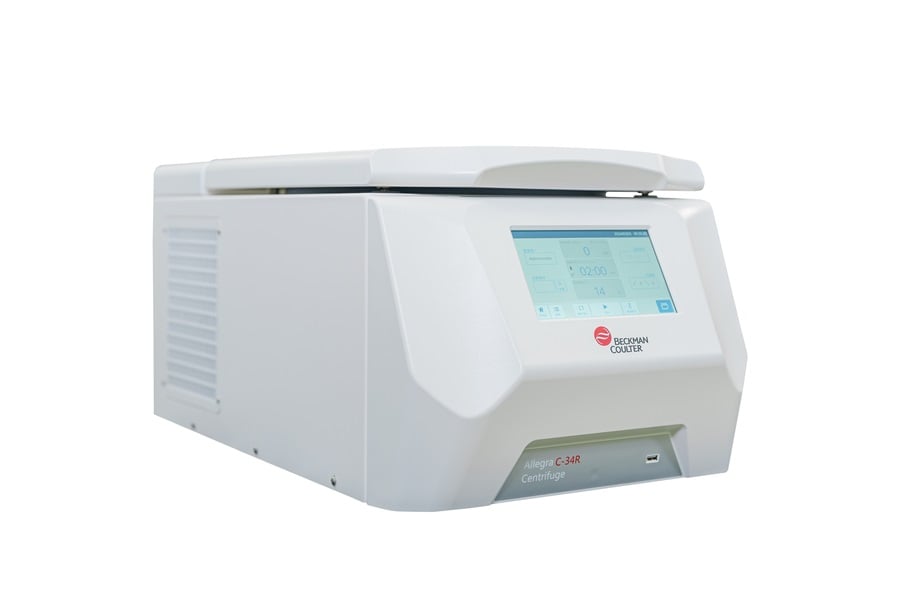
Benchtop centrifuges are compact laboratory instruments designed to support a wide range of sample preparation and separation workflows. Commonly used in life science research, clinical laboratories, bioprocessing, and quality control environments, benchtop centrifuges help researchers efficiently separate cells, proteins, nucleic acids, particles, and biological fluids.
Beckman Coulter Life Sciences benchtop centrifuges combine powerful performance, user-friendly operation, and space-saving designs to help laboratories maximize productivity. Available in refrigerated and non-refrigerated configurations, these systems support diverse applications ranging from routine sample preparation to high-throughput processing and cell culture workflows.
Explore our portfolio of benchtop centrifuges, microcentrifuges, and compact laboratory centrifuge systems designed to deliver reliable results, operational flexibility, and workflow efficiency.
Benchtop centrifuges are widely used across life science, clinical, bioprocessing, and quality control laboratories. Their versatility enables efficient sample preparation, cell harvesting, molecular biology workflows, and routine laboratory processing.
Common Applications
- Cell harvesting and cell culture processing
- Protein and nucleic acid preparation
- Blood and clinical sample processing
- Microbiology workflows
- PCR and molecular biology applications
- Microplate centrifugation
- Particle and debris separation
- General laboratory sample preparation
- Quality control testing


FAQ on Benchtop Centrifuges
What are benchtop centrifuges used for?
Benchtop centrifuges are used to separate cells, proteins, nucleic acids, blood components, and other particles from liquid samples. They are widely used in research laboratories, clinical laboratories, biotechnology facilities, and quality control environments.
What is a benchtop centrifuge?
A benchtop centrifuge is a compact laboratory centrifuge designed to fit on a laboratory bench while providing efficient sample separation using centrifugal force. These systems are commonly used for routine laboratory workflows, clinical testing, molecular biology, and cell culture applications.
What is the difference between a benchtop centrifuge and a floor centrifuge?
Benchtop centrifuges offer a smaller footprint and are ideal for routine laboratory workflows, while floor centrifuges typically provide larger capacities and higher throughput for demanding processing applications. The best choice depends on sample volume, throughput requirements, and available laboratory space.
Should I choose a refrigerated benchtop centrifuge?
A refrigerated benchtop centrifuge is recommended for temperature-sensitive samples such as proteins, enzymes, nucleic acids, and live cells. Temperature control helps maintain sample integrity during centrifugation and can improve experimental consistency and reproducibility.
